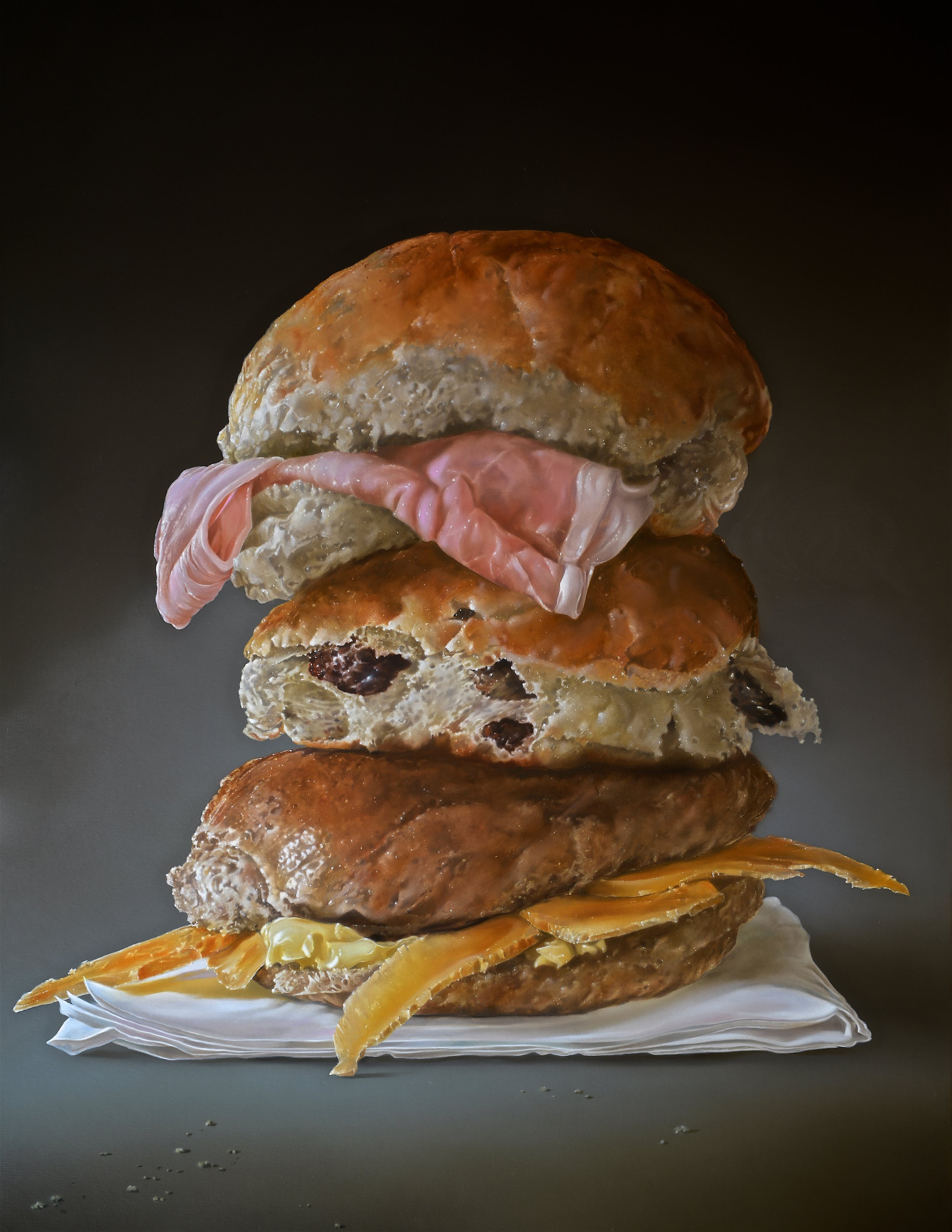
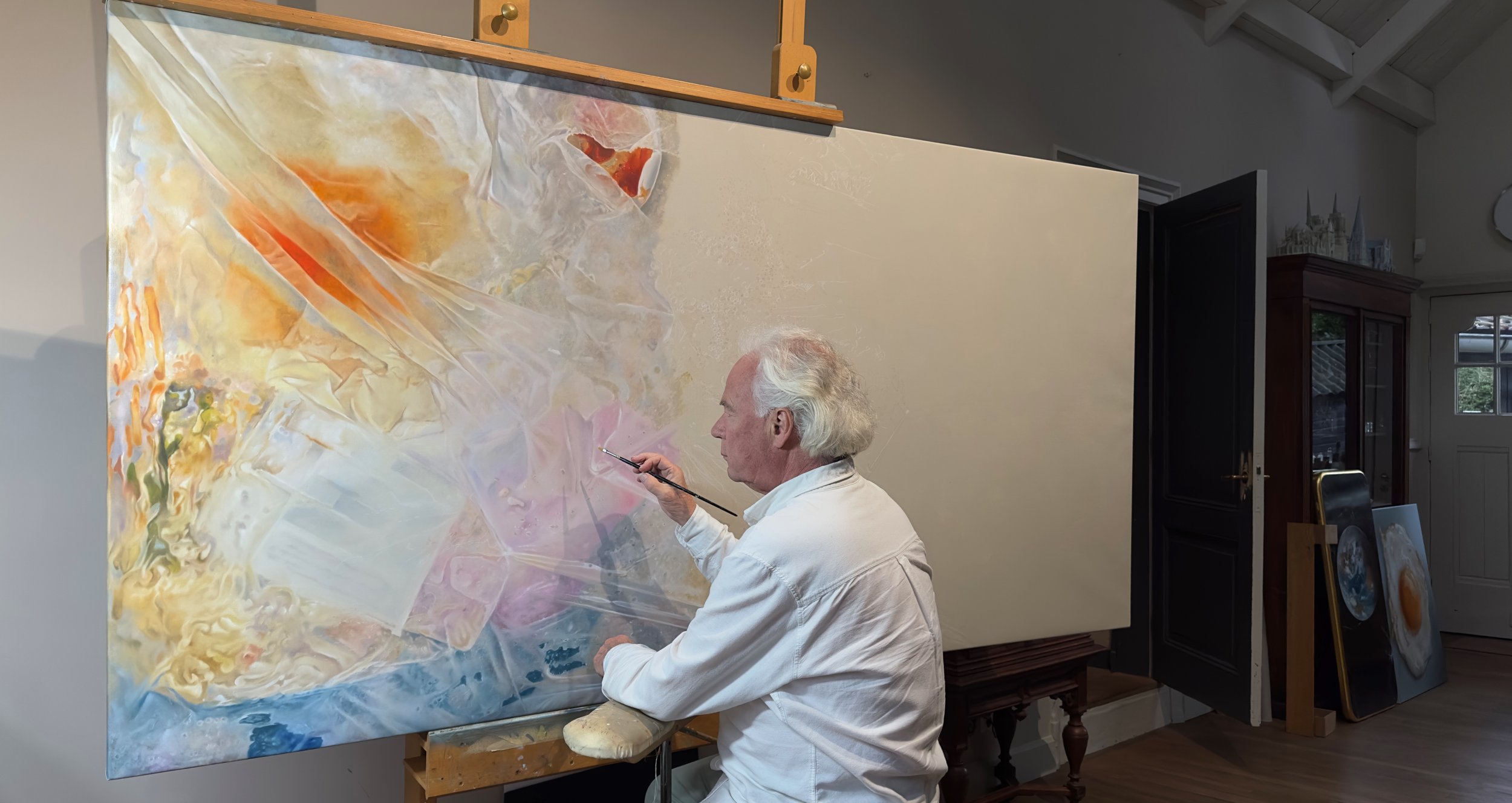
With the anniversary exhibition The Bigger Picture, Museum JAN in Amstelveen celebrates the 70th birthday of artist Tjalf Sparnaay. More than 60 works from various museum and private collections offer a unique overview of his oeuvre: from his first illustrations for postcards to his latest food painting 'WasteScape', which is on public display for the first time. At Museum JAN, Sparnaay—internationally known and acclaimed for his iconic oil paintings of fried eggs and flattened cola cans—showcases the grandeur of the small. His hyperrealistic style captivates the viewer, who is immediately convinced of the power of his imagination. However, Sparnaay also shows that the photographic, objective approach to his subjects is indeed a personal source of inspiration.
Tjalf Sparnaay
When you stand in front of a painting by Tjalf Sparnaay (Haarlem, 1954), something happens to you. The image you see makes a lasting impression. And that is precisely his intention: "I am an image maker. I want to create images that have an impact. But I am also interested in the overarching concept, the bigger picture." Sparnaay wants you to look beyond what you actually see. He makes you realize that you can also view the things around you in a different way. Humor, optimism, and positivity are all integral parts of his images.
The beauty of everyday life
He is the painter of ordinary, everyday things, things you recognize because you encounter them every day, but which, through their isolation and position in a painting, are completely independent. Inspired by the reflection of sunlight on dishes, he painted the inside of his own dishwasher in 1998, for example. A recognizable and self-evident image, but in terms of theme and style, completely new within Dutch painting. Sparnaay was inspired by Rembrandt and Vermeer, by the magical realism of Carel Willink and the American photographic realism, also known as hyperrealism, of artists such as Ralph Goings, Charles Bell, and Richard Estes. He made their style his own and developed what he himself called mega-realism, in which he depicts, isolates, and (extremely) enlarges reality with more than photographic precision.
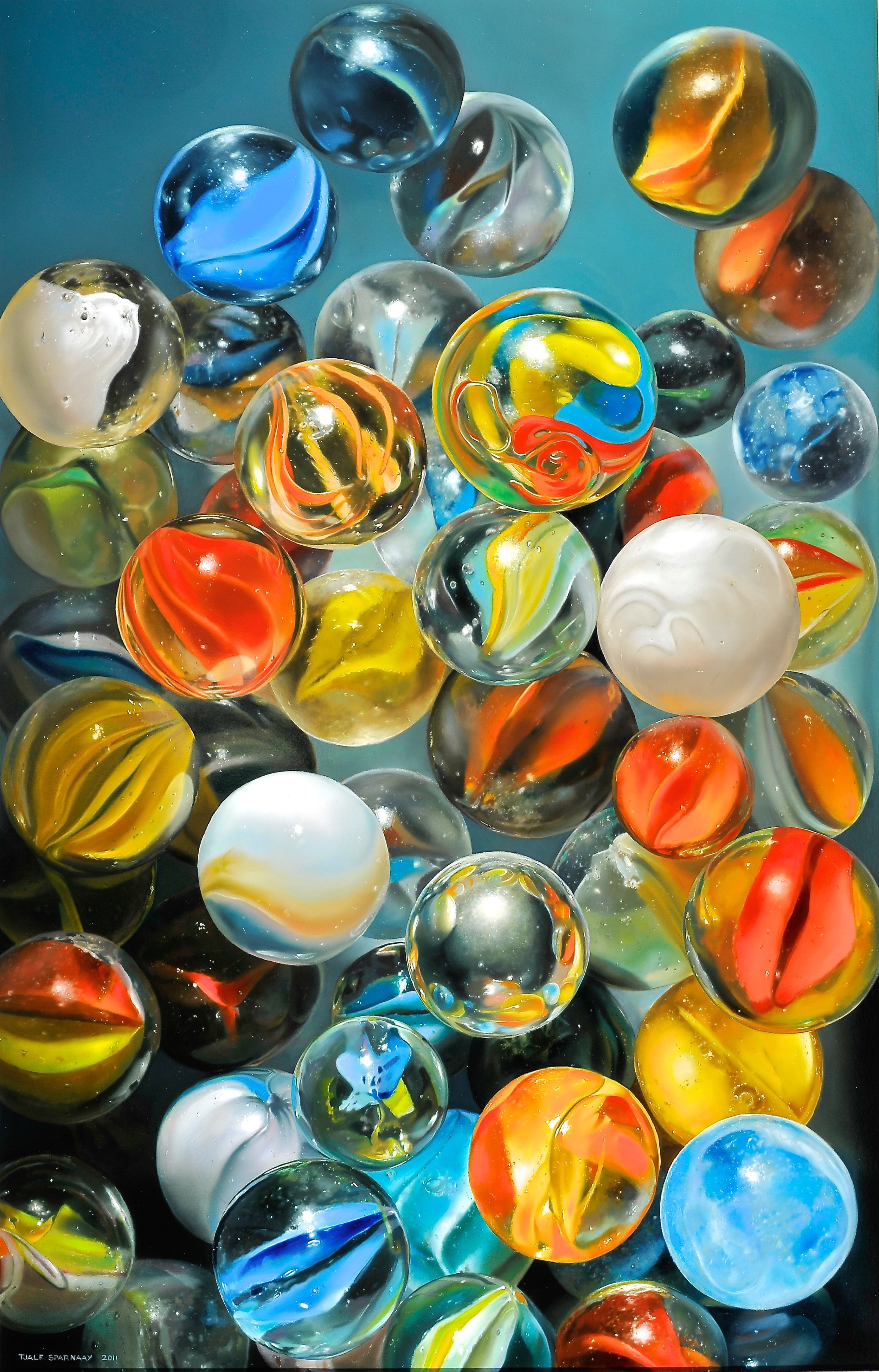
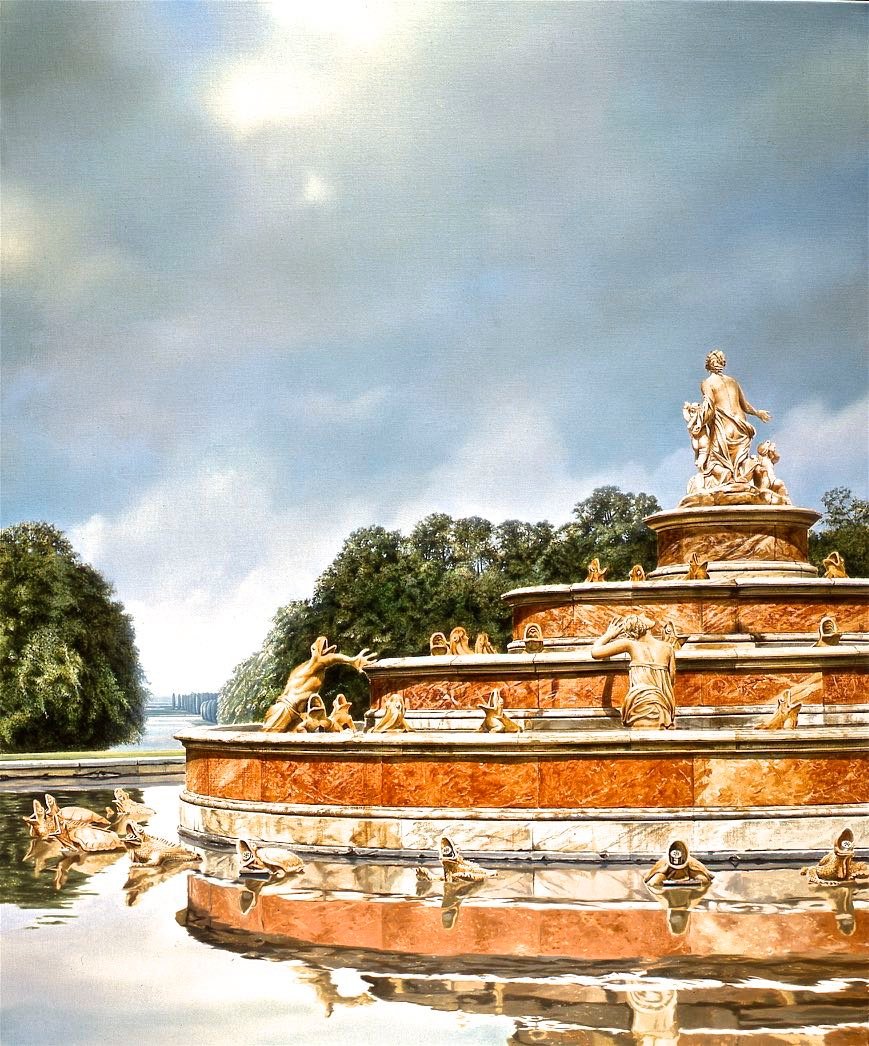
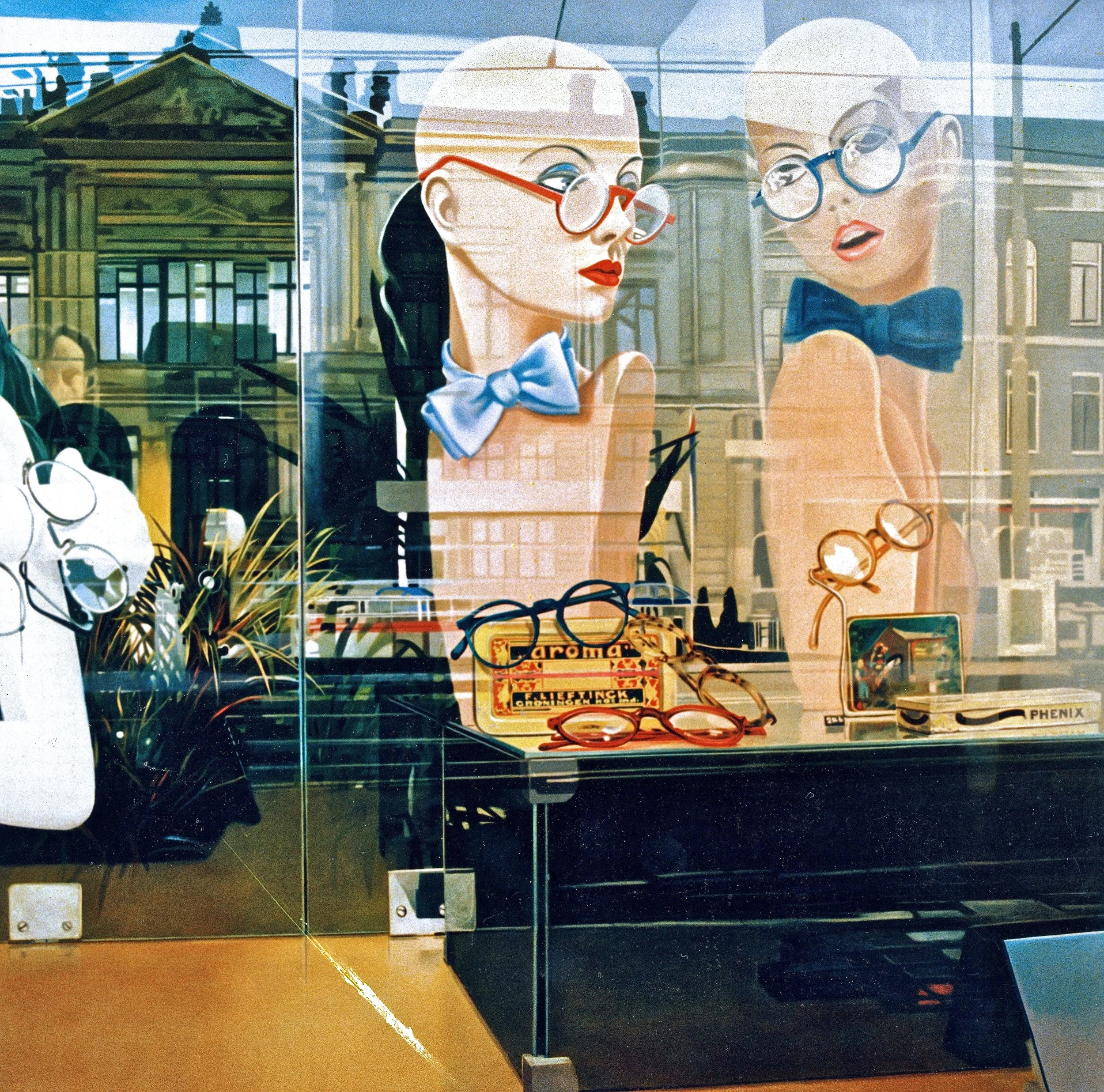
©Tjalf Sparnaay 1: Marbles, 2011 2: Fountain of Versailles, 1996 3: Aroma, 1989
Appearances can be deceiving
Sparnaay considers himself an illusionist. He uses paint on canvas to make the viewer believe they are looking at a hamburger and to make you believe in the perfection of the imperfect. According to him, beauty is the most important element, so he paints the hamburger as perfectly as possible, down to the smallest detail. So much so that you think you can smell and taste the hamburger and have to come closer to the painting to convince yourself that what you see is not real.
From postcard to garbage bag
In his retrospective exhibition at Museum JAN, Sparnaay looks back on 40 years of image creation. It is a journey through early illustrations for postcards, via paintings of landscapes with classical buildings to modern cityscapes and, of course, the famous mega-realistic still lifes. The exhibition also includes recent paintings with socially engaged images that respond to contemporary visual culture and social media. The gigantic oil painting WasteScape—in which a meticulously painted, semi-transparent garbage bag filled with kitchen waste symbolizes Sparnaay's indictment of today's throwaway society—is being shown to the public for the first time, but may well be his very last painting with food as its theme.
