
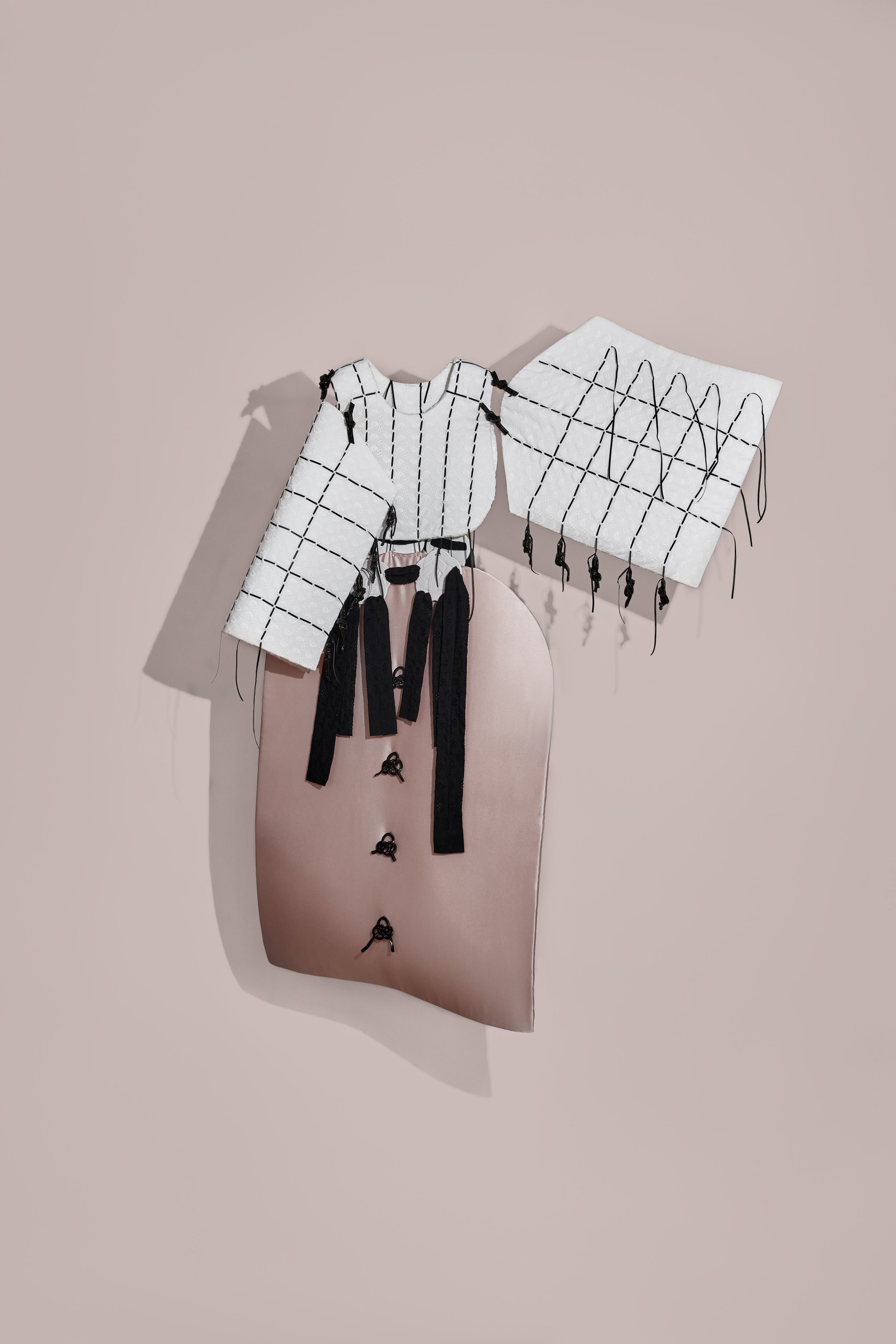
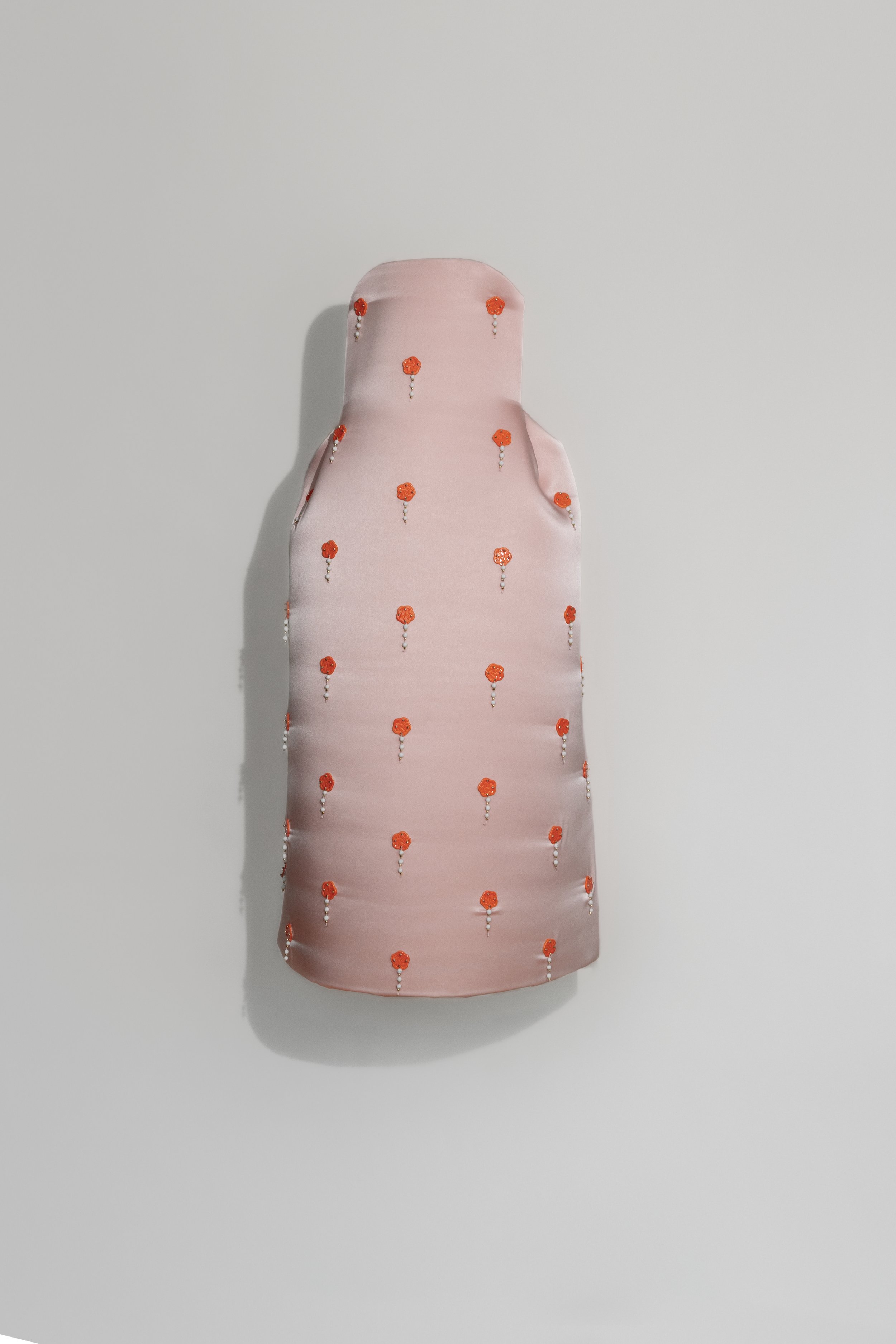
From February 14 to June 16, 2024, Museum JAN will present an exhibition of the work of fashion designer and artist Lisa Konno (1992). For this first solo exhibition, Konno is creating new work in which she combines Japanese porcelain with textiles. In this work, Konno reflects on ideals of beauty in both Japan and the Netherlands and asks the question: when is the pursuit of beauty a liberating form of self-expression and when does it turn into a form of oppression? A confusing boundary that is explored in a video installation and a series of objects that lie somewhere between clothing and sculpture.
Lisa Konno is an outspoken, interdisciplinary designer in the fashion industry. Her work is colorful, innovative, and distinctive. Cultural identity and craftsmanship are two important elements in her work. She often treats serious themes in a light-hearted, humorous way. In recent years, she has regularly combined this with film. In the documentary/fashion film NOBU, BABA, and HENK, fathers with a migrant background are interviewed about their life stories while wearing a collection inspired by their identity. Konno experiments with a form of 'personalized design', which she uses to shed new light on the concept of haute couture. Her films have been shown by Dutch television stations VPRO and BNNVARA, as well as at the International Film Festival Rotterdam and other international film festivals. In 2018, she won a Dutch Design Award. Her work is part of the permanent collections of Het Kunstmuseum, the Textielmuseum, and the Centraal Museum Utrecht.
In the summer of 2022, Lisa Konno was a creative resident in Arita, Japan, where she learned to work with porcelain under the guidance of craft specialists. Konno, who has Dutch-Japanese parents, grew up and studied in the Netherlands. The research project in Arita therefore concerned not only the material aspect, but also her own identity. With Artia, Konno laid the foundation for a new phase in her work and a new collection that will be on display during her first solo exhibition at Museum JAN.
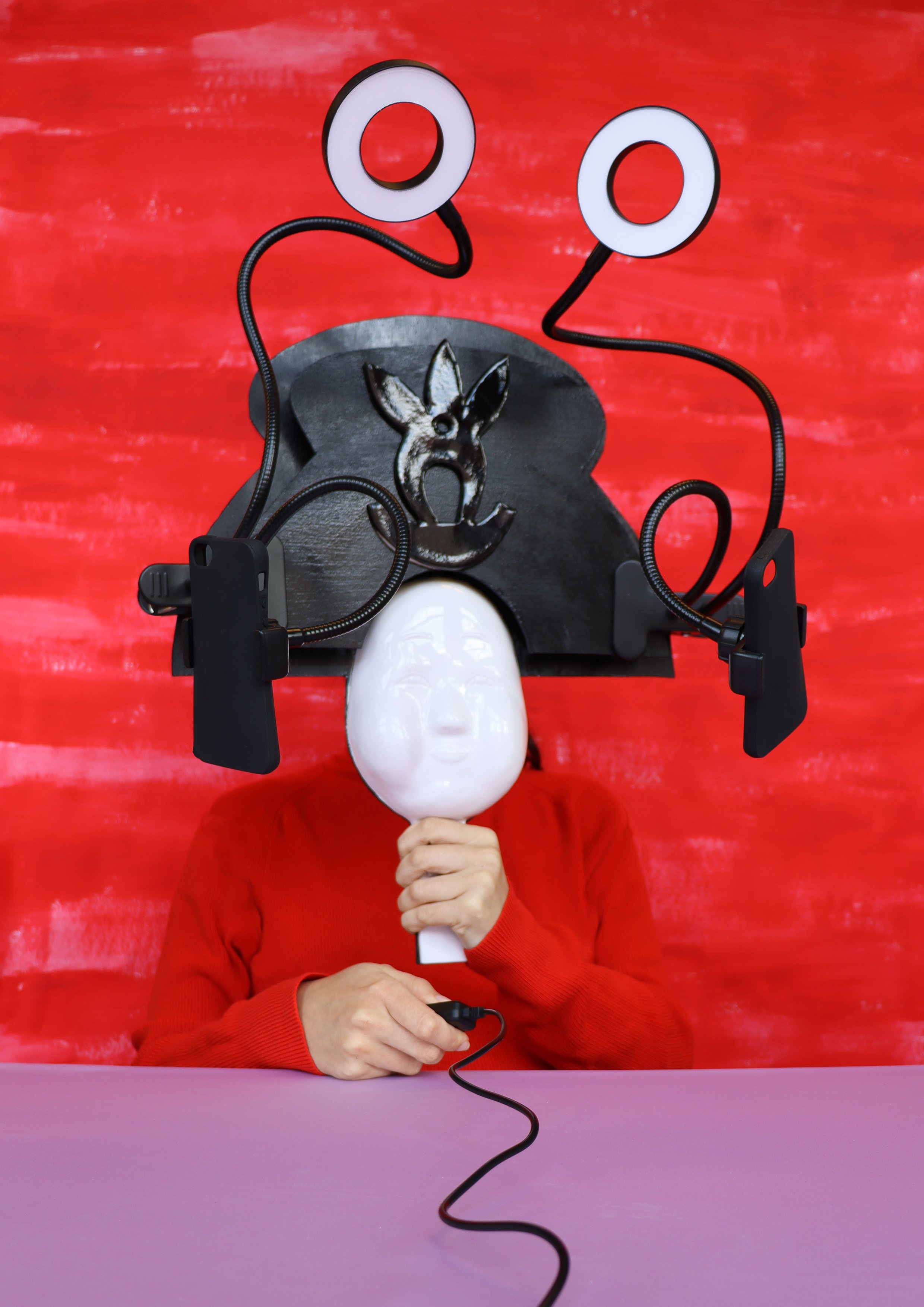
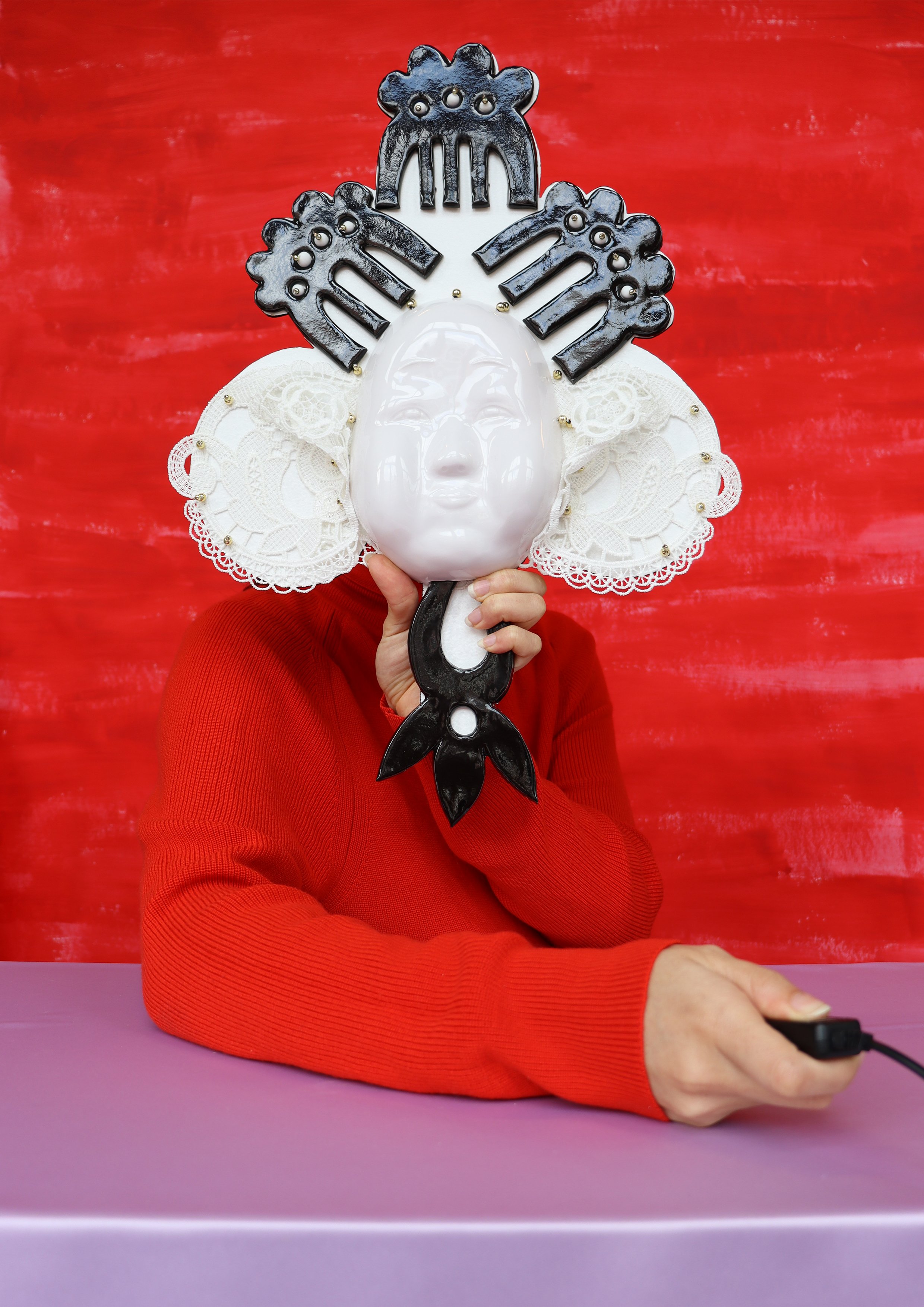
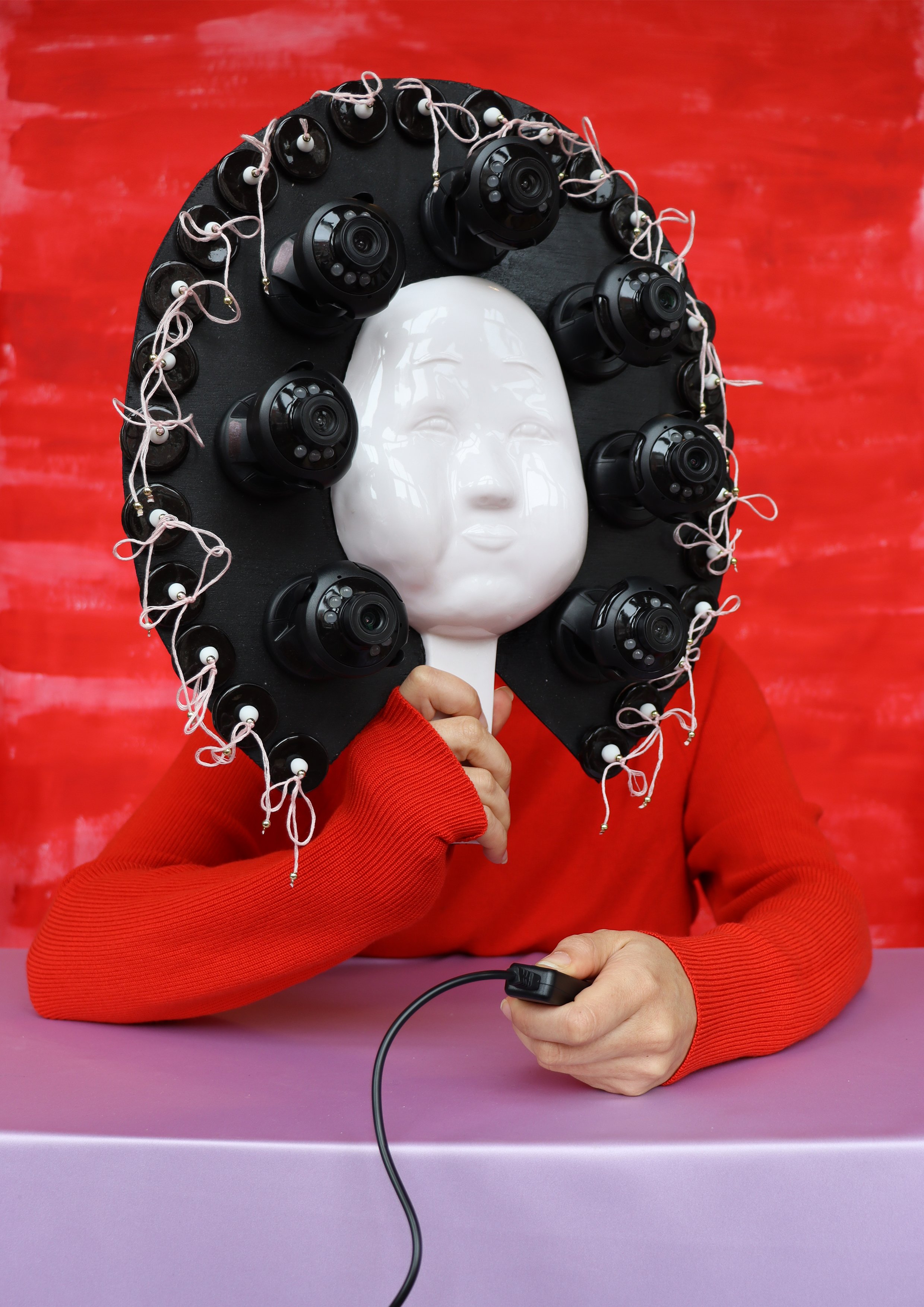
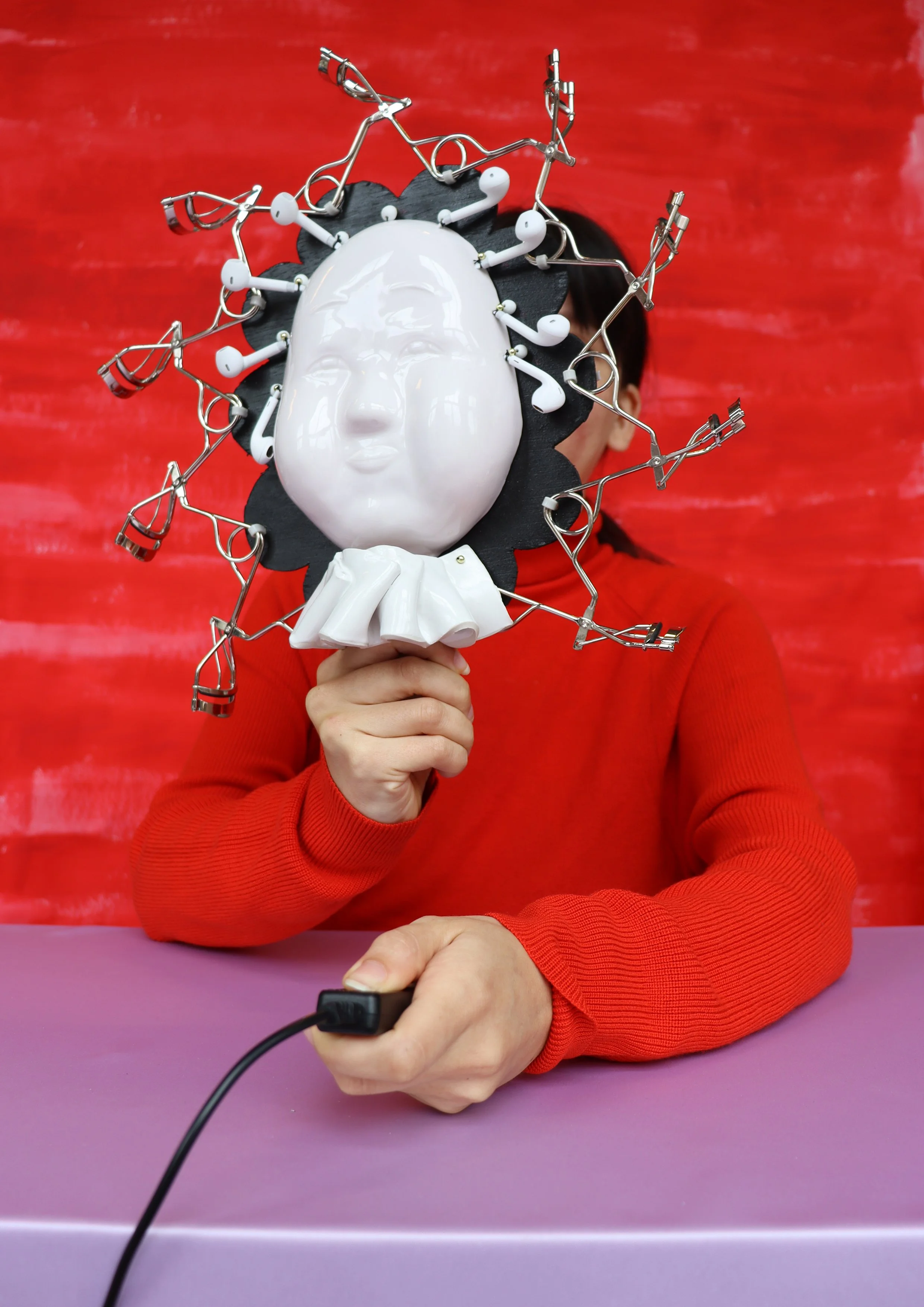
The Porcelain Body
Our perception of beauty seems to be an autonomous choice. Yet it is almost always influenced by culture, politics, and time. Our relationship with the concept of beauty is both oppressive and liberating. For this exhibition, Konno intuitively plays with archetypal images of women from her two cultures, such as the bride, the geisha, the prostitute, and the housewife. She uses symbols such as the apron, the hair bow, and the world-famous Okame mask. In Japan, this mask symbolizes the perfect housewife, but its original context is extremely conservative. She explores the clichés and gives them a new twist, searching for her own aesthetic. This has resulted in a video installation and a series of objects that lie somewhere between clothing and sculpture.
